

We all have days that are bad. When the alarm goes off, you wake up and think, “I would rather do anything else than open my laptop today.”
That’s normal. That’s just what it means to have a job.
But “I hate Mondays” and “I hate my life because of this job” mean different things.
Most people stay in bad jobs for too long. We stay because we need the money, we’re afraid of what might happen next, or we think, “Maybe things will get better next month.”
Spoiler alert: It usually doesn’t.
Here are 10 brutally honest signs that it’s time to quit your job if you’re trying to figure out if you’re just in a slump or if you need to get out.

1. Ruining Your Weekend
You know how it feels. It happens on Sunday at 4:00 PM. It’s still light outside, so you should be relaxing, but instead, you feel sick to your stomach. Your heart starts to race. You start to get angry with your spouse or kids.
This is how your body reacts to the thought of Monday morning.
It’s not good for you to be so worried about the upcoming work week that it ruins half of your weekend. Your job shouldn’t make you feel bad about your mental health on your days off.
Similar More: How to Change Careers in Your 30s
2. Autopilot You Have Been for Months
When was the last time you learned something new?
I don’t mean having to learn a new password because IT made you do it. I mean really learning a skill that will help you do your job better.
If you can do your job with your eyes closed and haven’t felt challenged in a year, you’re not growing. Comfort is bad for growth. If you’re not learning, you’re not keeping up with the market. In 2026, when skills become useless in six months, staying in a “comfortable” dead-end job is bad for your long-term career.
3. Loyalty Tax is Costing You Money
Here is a hard math lesson:
- Inflation is around 5-6%.
- Your annual raise was 3%.
Congratulations, you really did get a pay cut.
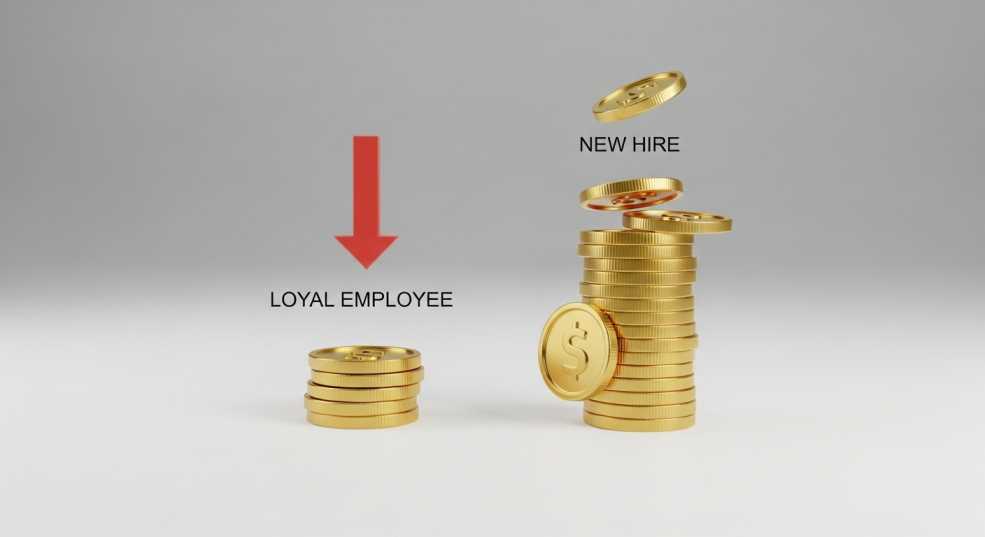
Companies don’t often pay loyal workers as much as they do new hires. The Loyalty Tax is what it’s called. If you find job openings for your exact role at other companies that pay 20–30% more than what you do, your company is paying you less than you should be. You can try to work out a deal, but what if they say no? It’s time to go where the cash is.
4. Your Body is Physically Rebelling
Your brain can tell you things that aren’t true, like “I’m fine, I’m just tired,” but your body keeps track of everything.
- Do you get headaches every afternoon?
- Is your back always hurting?
- Are you getting sick a lot more than normal?
- Are you getting up at 3 AM and staring at the ceiling?
Cortisol is released when you are stressed. Cortisol over time damages your immune system. Your job is literally sucking the life out of you if you look in the mirror and see that you look five years older than you did last year.
5. You Are the “Negative Friend”
Pay attention to what you say when you’re not at work. What do you and your friends talk about when you meet up for drinks?
If 90% of what you talk about is how much you hate your boss, your coworkers, or your workload, you are “that person.”
When work stress starts to affect your relationships, hobbies, and happiness, you’ve crossed the line. Take the hint if your friends have stopped asking “How is work?” because they know it will lead to a 20-minute rant.
6. Toxic Environment
You know when something is “toxic” when you feel it.
- Does your boss make you feel crazy? (“I never said that,” when they really did).
- Is there always gossip or groups of friends?
- Is fear a way to get people to do things?
- Do you think that one mistake will get you fired?
If you spend more time dealing with office politics and watching your back than doing your job, you should leave. You can’t change a bad culture from the bottom up. It comes from above.

7. Top Talent is Leaving
Take a look around. Who has gone away in the last six months?
Are the smart, hard-working, high-achievers leaving? If the “A-Players” are leaving, they probably know something you don’t. Or they just figured out that the ship is going down.
When the good people leave, the work they did gets dumped on the people who stay (you), usually without a raise. Don’t be the last one to get the bag.
8. You Don’t Care Anymore
This is not the same as burnout. When you care too much and have nothing left to give, you are burned out. Apathy means you don’t care.
- You don’t panic when you miss deadlines.
- You do “C-grade” work because “it’s good enough.”
- You sit in meetings and think about how great it would be to win the lottery.
When you mentally check out, you are not helping yourself or the company. You spend 40 hours a week doing something that doesn’t matter to you.
9. There is No Path Up
Look at the person who is right above you. Do you want to work for them? If the answer is “No,” or “Yes, but they have been there for 10 years and aren’t leaving until they die,” then you are stuck.
If you can’t move up in the company or learn new skills by moving sideways, you’ve reached your limit. You can’t go up a ladder that doesn’t have steps.
Others: Online Job कैसे खोजें
10. Parking Lot Test
This is the last test. Do you sit in your car or log onto Slack in the morning and have to talk yourself into going inside for a full minute?
That pause? That is your gut telling you to do something.
We are taught to not trust our gut feelings. We learn to be “thankful for a job.” But your gut knows when something isn’t right for you long before your brain does.
If you nodded your head to more than three of these, it’s time.
But don’t quit in a rage.
Don’t turn your desk over. Don’t yell at your boss. You need a reference because the job market is tough.
- Update your resume in peace.
- Start making connections.
- Put some money aside.
Final Thoughts
When you already have a job is the best time to look for one. But what about mentally? You can get your bags ready today. It’s time to start making plans to leave. You shouldn’t be unhappy for 40 hours a week.
FAQs
Q: I have all these signs, but I need to pay my rent. I can’t just give up, can I?
A: No way. Don’t quit in a fit of rage unless you have six months’ worth of savings or a rich uncle. The best way to get back at someone is to leave on purpose. Keep your job and do the bare minimum to avoid getting fired. Use all of your free time to look for a new job. Having a job already makes it easier to get hired.
Q: I’ve only been here for five months. If I leave now, won’t people think I’m a “job hopper”?
A: If you do it once? No. Everyone messes up at some point. What if you do it five times in a row? Yes. If you leave now, just tell the next recruiter, “The job wasn’t what I thought it would be, and I’m looking for a place to stay for a long time.” They value honesty. You are wasting your life if you stay in a bad job for two years just to “look good” on paper.
Q: My boss said that things would change “next quarter.” Should I hold off?
A: “Next quarter” is like saying “I’ll start my diet tomorrow” in business. It doesn’t happen very often. They won’t fix the problems in the next three months if they haven’t done so in the last year. Don’t judge them by what they say, but by what they do.
Q: How can I tell if I need to quit or just take a break?
A: That’s the “Burnout vs. Hate” test. Take a week off. Not at all. No email. If you come back feeling better and ready to work? It was just being burned out. What if the fear comes back as soon as you wake up on your first day back? It’s the work. You have to go.
Q: I gave my notice, and they offered me a 20% raise to stay. Should I take it?
A: Most of the time, the answer is no. Why did they have to pay you what you’re worth after you quit? The money will be nice for two months if you stay, but the bad boss, the toxic culture, and the stress will still be there. Also, they know you’re ready to leave. Don’t take the raise at the old job; take it at the new one.