
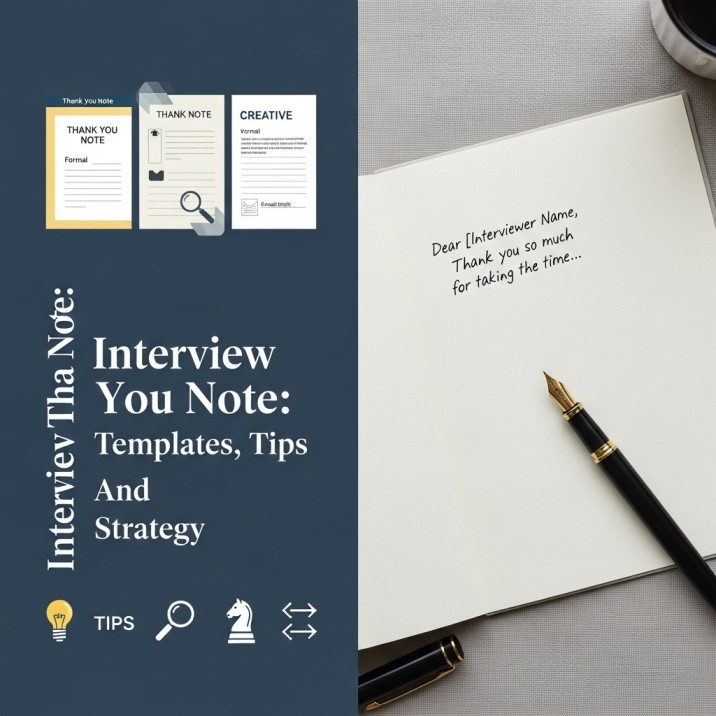
You just finished the interview, closed your laptop or walked out of the building, let out a breath you didn’t know you were holding, and fell onto the couch. The rush of adrenaline is going away. You keep going over everything dumb you said. “Did I really say that my biggest flaw is that I work too hard?” Ugh.
But before you start watching a lot of Netflix to forget about the pain, you have one last thing to do. The Note of Thanks.
I know what you’re thinking. “Is this really needed in 2026?” It seems so old-fashioned. It feels hopeless. Do they even look at them?
The harsh truth is a lot of candidates are lazy. They believe that the interview is over when the Zoom call ends. Sending a note is more than just being polite. You are proving that you can follow through. The thank-you note is what decides who wins when two candidates are equally good. It’s the difference between saying, “Let’s keep looking” and “Let’s make an offer.”
So, stop worrying about it. You don’t have to write a sonnet like Shakespeare. You only need to be smart. This is the no-nonsense guide to writing a thank-you note that people will read and that will help you get the job.

1. Timing
When is it time to hit send?
- Too soon (10 minutes after): It looks like you wrote this ahead of time. It feels like a robot.
- Too late (3 days later): They’ve already moved on. They may have even made a choice.
The best time to send it is between 2 and 24 hours after the interview. Send it that afternoon if your interview was in the morning. If it was in the afternoon, send it first thing the next morning. This keeps you fresh in their minds right when they are deciding who to bring back for
Similar More: Freelance Pricing: How to Set Your Rates
2. Don’t Just Say “Thanks”
A generic thank-you note is junk. “Dear Manager of Hiring, Thanks for your time. I learned a lot. I hope to hear from you soon. Best, “[Name].”“
Not interesting. Get rid of it. You might as well not send anything if you write this.
You want to strengthen the link you made. You need to show that you were really listening and not just waiting for your turn to talk. Three things are needed for every good note:
- Thankfulness (Of course).
- A Specific Memory (Something you talked about that was special).
- The “Closer” (Say again why you are the best answer to their problem).
3. Templates
Here are four templates that fit different moods. Don’t just copy and paste them. Add your own touch.
Option A: Standard but Solid
If the interview was professional, straightforward, and you want to look trustworthy, use this.
Subject: Great meeting you / [Job Title] role
Hi [Interviewer Name],
Thanks so much for chatting with me today.
I really appreciated learning more about how the team is shifting focus toward [Specific Goal/Project you discussed]. It sounds like exactly the kind of challenge I’ve been looking for.
I’ve been thinking about what you said regarding [Specific Pain Point], and I’m even more confident that my experience with [Your Skill] could help you guys solve that pretty quickly.
Let me know if you need any other info from me. Look forward to hearing the next steps.
Best, [Your Name]
Why it works: It talks about a specific problem. It gently reminds them that you can fix it.
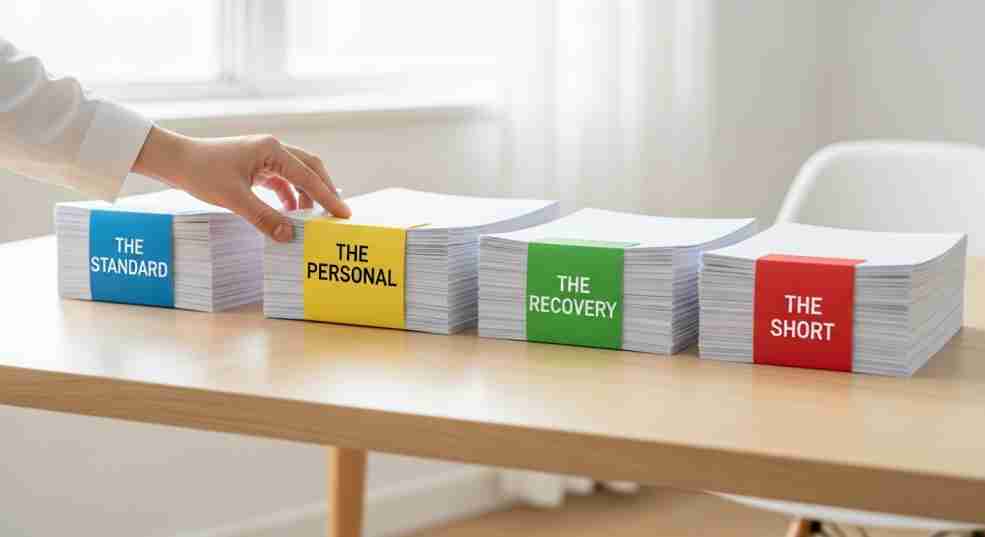
Option B: Personal Connection
If you guys made fun of each other, talked about something you both liked, or just had great chemistry, use this.
Subject: [Job Title] / Great chatting with you!
Hi [Interviewer Name],
Thank you for the time today. I really enjoyed our conversation—especially the part about [Non-work topic: e.g., us both suffering through being Knicks fans / our shared love of heavy metal].
On the work front, I’m really excited about the direction [Company] is taking with [Project]. I know I can hit the ground running and help the team with [Specific Task].
Hope you have a great week (and good luck with the marathon training)!
Cheers, [Your Name]
Why it works: Managers hire people they like. This makes the friendship stronger.
Option C: Recovery Mode
Did you forget the answer to a question? Did you say something wrong? This is your “Get Out of Jail Free” card. You can fix it with the note.
Subject: Follow up on our conversation – [Your Name]
Hi [Interviewer Name],
Thanks for the opportunity to interview for the [Role] position today.
I’ve been thinking about your question regarding [The Topic You Messed Up]. I realized afterwards that I didn’t fully explain my experience there.
In my last role, I actually handled a similar situation by [Briefly explain the right answer/example here]. I wanted to clarify that because I know how important that skill is for this team.
Regardless, I really admire what you guys are building and would love to be a part of it.
Best, [Your Name]
Why it works: It shows that you know yourself. It shows that you care enough to set the record straight. It changes something bad into something good.
Option D: Short & Sweet
Recruiters talk to 50 people a day. They don’t need a novel. Keep it snappy.
Subject: Thanks! – [Your Name]
Hi [Name],
Thanks for the call earlier.
The role sounds like a perfect fit for my background in [Skill], and I’m really interested in moving forward.
Appreciate you walking me through the process. Keep me posted!
Thanks, [Your Name]
4. Who Do I Send It To?
All of them. If you talked to three people on a panel, send each of them a separate email. Do not send them all the same email. That looks like you don’t care. And for the love of God, please change the content a little bit for each person. If they send the emails to each other (and they will), and they see that you copied and pasted the same sentence to everyone, you look like a robot.
- Boss, concentrate on results and strategy.
- To the Peer: Work together and “be easy to work with.”
- To the Person Who Is Hiring: Focus on excitement and planning.
Others: सरकारी नौकरी Online Apply कैसे करें | How to Apply Online
5. Subject Line
Don’t leave the subject line empty. And don’t just say “Thank You.” Picture their inbox as a battlefield. Help them locate you.
- Good: Thanks, [Your Name], [Job Title]
- Better: Nice to meet you today, [Your Name].
- Best: Get back to me about [Specific Topic] after we talked.

6. Handwritten vs. Email?
Email in 2026? Unless you’re applying to a very traditional law firm, a high-end stationery store, or a non-profit run by a grandmother. Mail by snail is too slow. They might have already hired someone else by the time your pretty handwritten card gets there. The name of the game is speed. Stay with email.
Final Thoughts
It’s a pain to write a thank you note. I understand. You just want to finish the process. But think about it this way: It takes five minutes. It doesn’t cost anything. And it could be why you get a job offer next week.
Don’t think too hard about the words. Be a person. Keep it short. Be thankful. Now, stop reading this blog post and write the email.
FAQs
Q: I forgot to get their email address. What now?
A: Don’t worry. First, look at the calendar invite. It usually has the emails listed there. If not, ask the recruiter: “Hey, I just wanted to send a quick thank you note to the team. Can you give me their email addresses? It’s a normal request. If that doesn’t work, try the “Company Format” guess (usually firstname.lastname@company.com) or send a polite LinkedIn connection request with the note attached.
Q: Is it okay to send a LinkedIn message instead of an email?
A: You can, but email is safer. LinkedIn DMs feel casual, and if the people who get them aren’t active users, they can get lost. Email is a businesslike way to do real estate. It is next to the “Hiring Budget” spreadsheet in their work inbox. If you can’t find their email or if the field is very casual (like Tech or Media), only use LinkedIn.
Q: What do I do if I see a mistake after I send it?
A: If it’s a small one, like “teh” instead of “the,” just let it go. Sending a second email to apologize for a typo makes it stand out more than the typo itself. If you made a mistake (like getting their name wrong), send a quick follow-up right away: “I’m so sorry, I just realized auto-correct messed up your name!” I’m sorry, [Correct Name]. Own it and move on.
Q: I talked to six people. Do I really need to send six different emails? Yes,
A. I know it stinks. I know you want to copy and paste. But these people do talk. If the VP shows the Director your email and says, “Look at this nice note,” and the Director says, “Hey, I got the same one word for word,” you look lazy. You don’t have to write six books. Simply change the sentence that says “Specific Recall” in each one. The rest stays the same.
Q: Does writing a thank-you note really change the outcome?
A: It won’t change a “No” into a “Yes.” A nice email won’t help you if you bombed the interview. But it will change a “Maybe” into a “Yes.” If you and one other person are equally qualified, the person who sent the thoughtful note seems like the better coworker. It’s not a miracle worker; it’s a tie-breaker.